Preferential Bayesian Optimization (PBO)
Preferential Bayesian Optimization learns a latent utility function from pairwise human judgements. I tested what happens to it when the human is not rational.
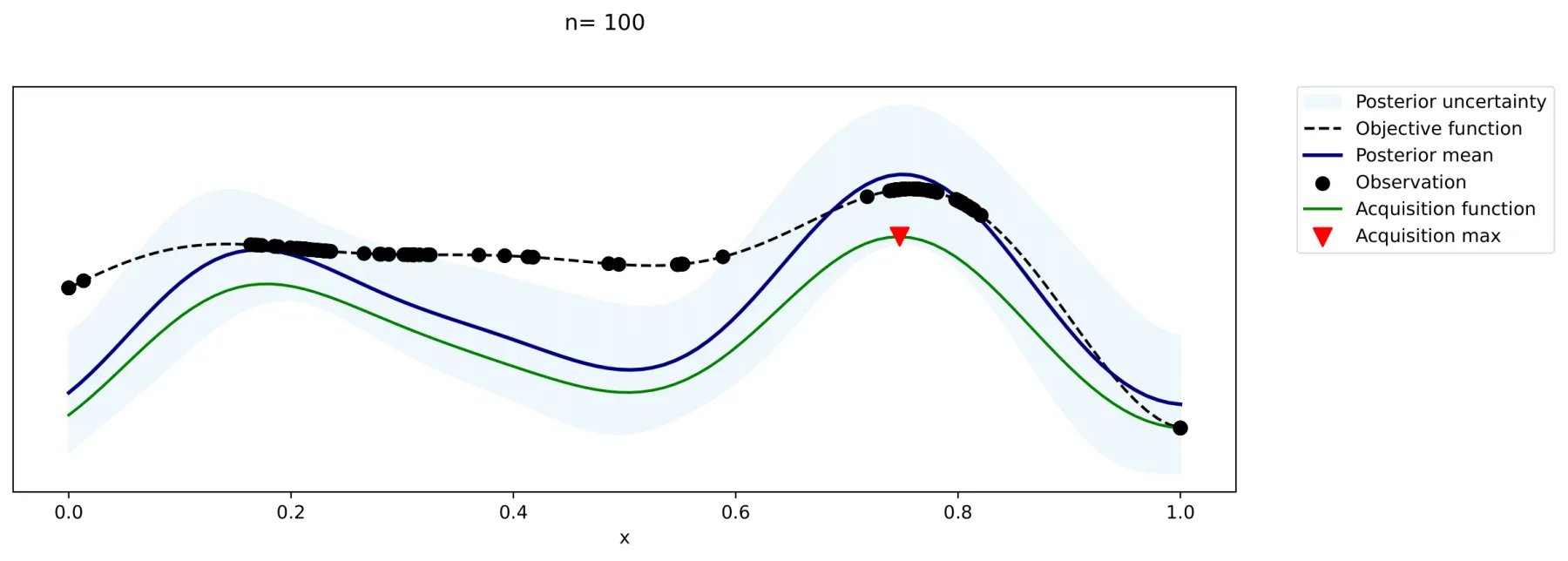
Overview
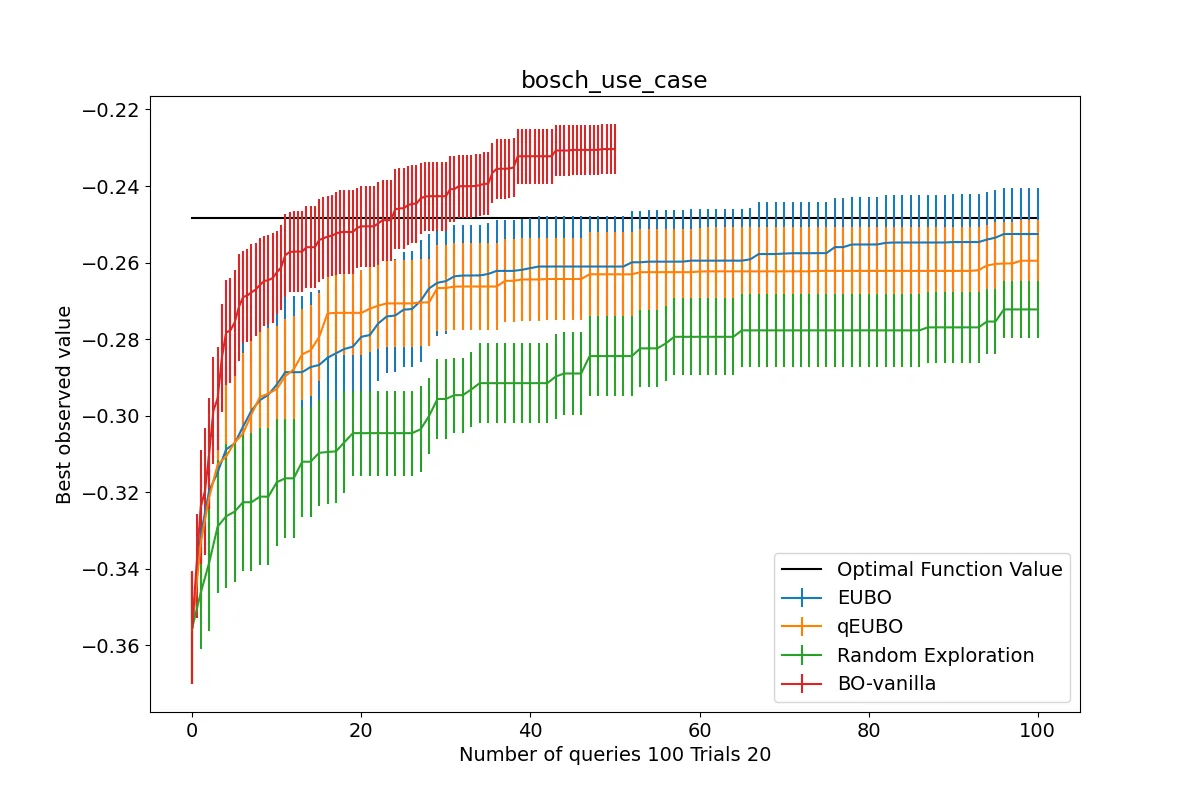
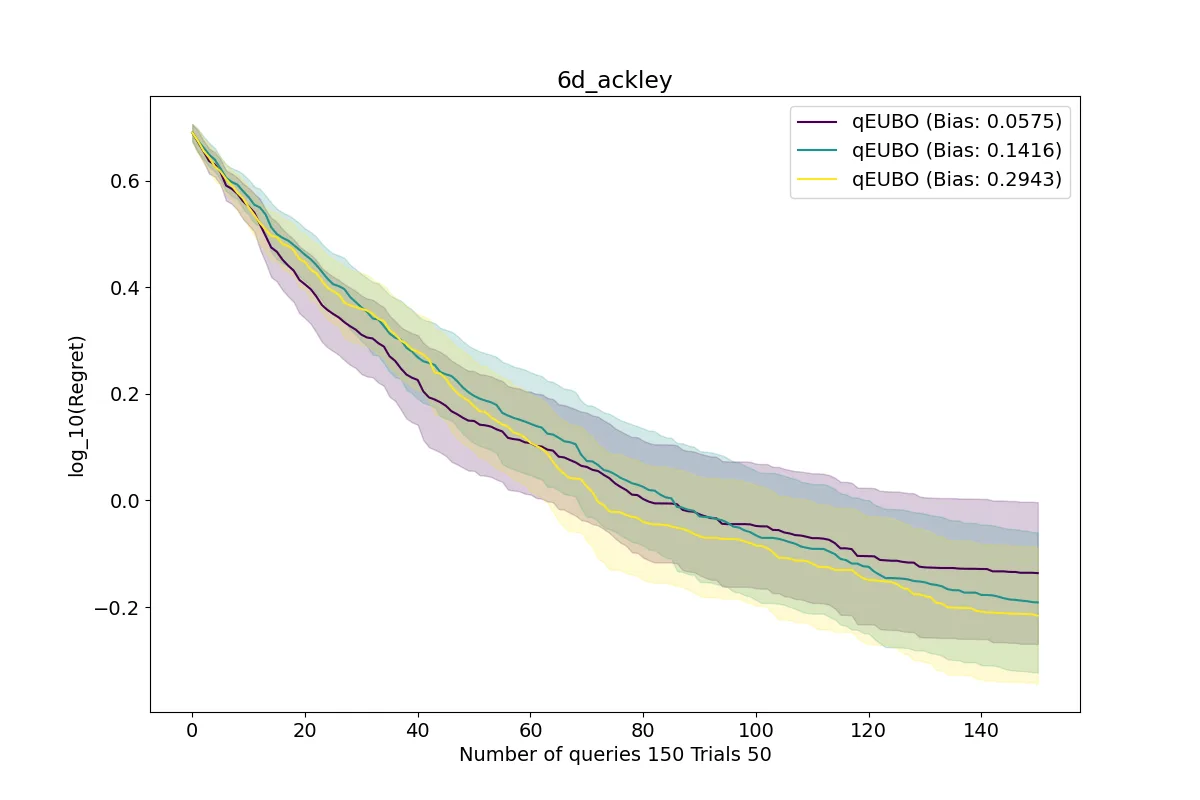
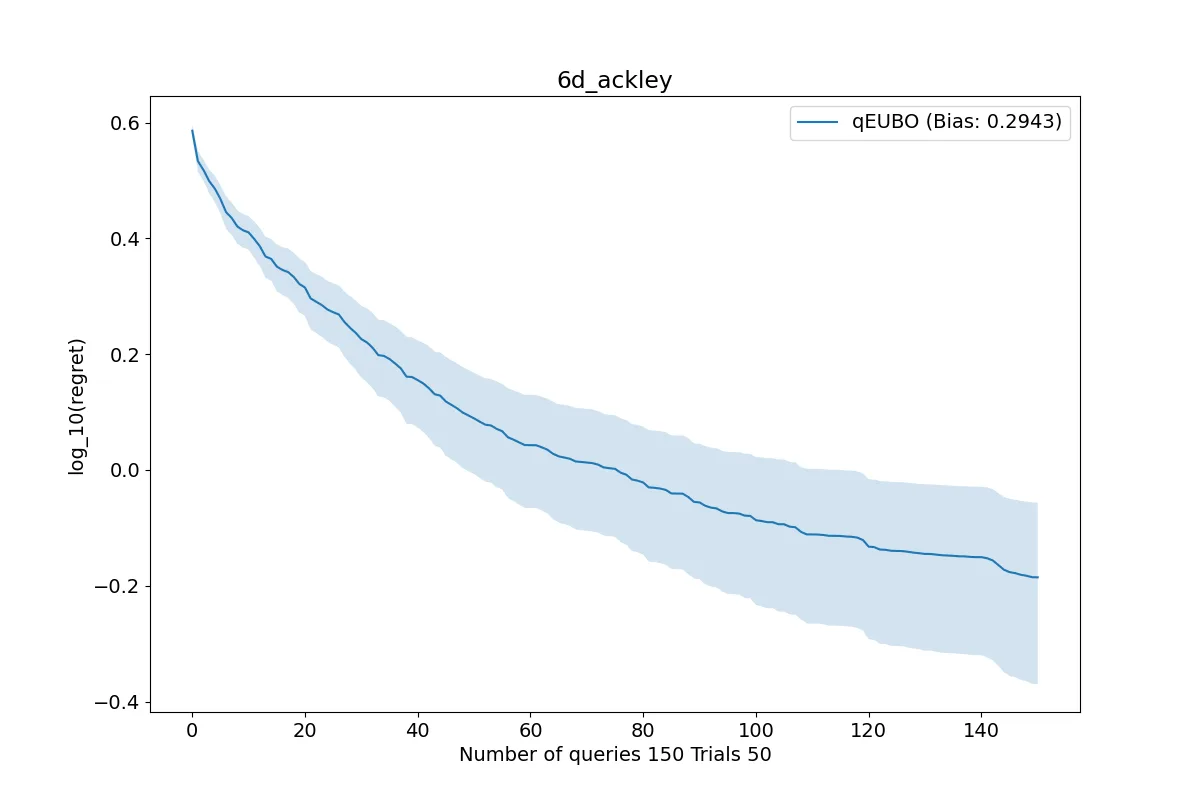
Optimizing with Subjective Preference Industrial machinery often requires tuning lots of parameters. Expert operators rely on intuition and "feel," which are difficult to quantify and require time and resources. Standard optimization algorithms fail here because there is no clear mathematical objective function to maximize. The Approach: Preferential Bayesian Optimization (PBO) At the Bosch Center for Artificial Intelligence (BCAI), I utilized PBO to bridge this gap. The algorithm aims to present two machine settings and simply asks: Which feels better? This pairwise feedback loop allows the AI to construct a latent utility function of the human's preferences, iteratively converging on the optimal setting. The Human Bias Most PBO research assumes the human is rational. I challenged this assumption. I designed experiments to test algorithmic robustness against cognitive biases. • Simulating Biases: I introduced simulated experiment representing human biases into the feedback loop. • Finding: My results demonstrated that PBO algorithms degrade significantly when the human feedback is inconsistent. This highlights a critical need for "bias-aware" acquisition functions in Human-AI collaboration.
Figures
- Built with
- Python, BoTorch
- Where
- Bosch Center for Artificial Intelligence